
MAY 22, 2026 · DWI / CRIMINAL DEFENSE
Missouri DWI Checkpoints in 2026: Your Rights, the Law, and How to Protect Your License
Stopped at a Missouri DWI checkpoint? Here's exactly what officers can and cannot do, what you should say, and the mistakes that turn a routine stop into a conviction.
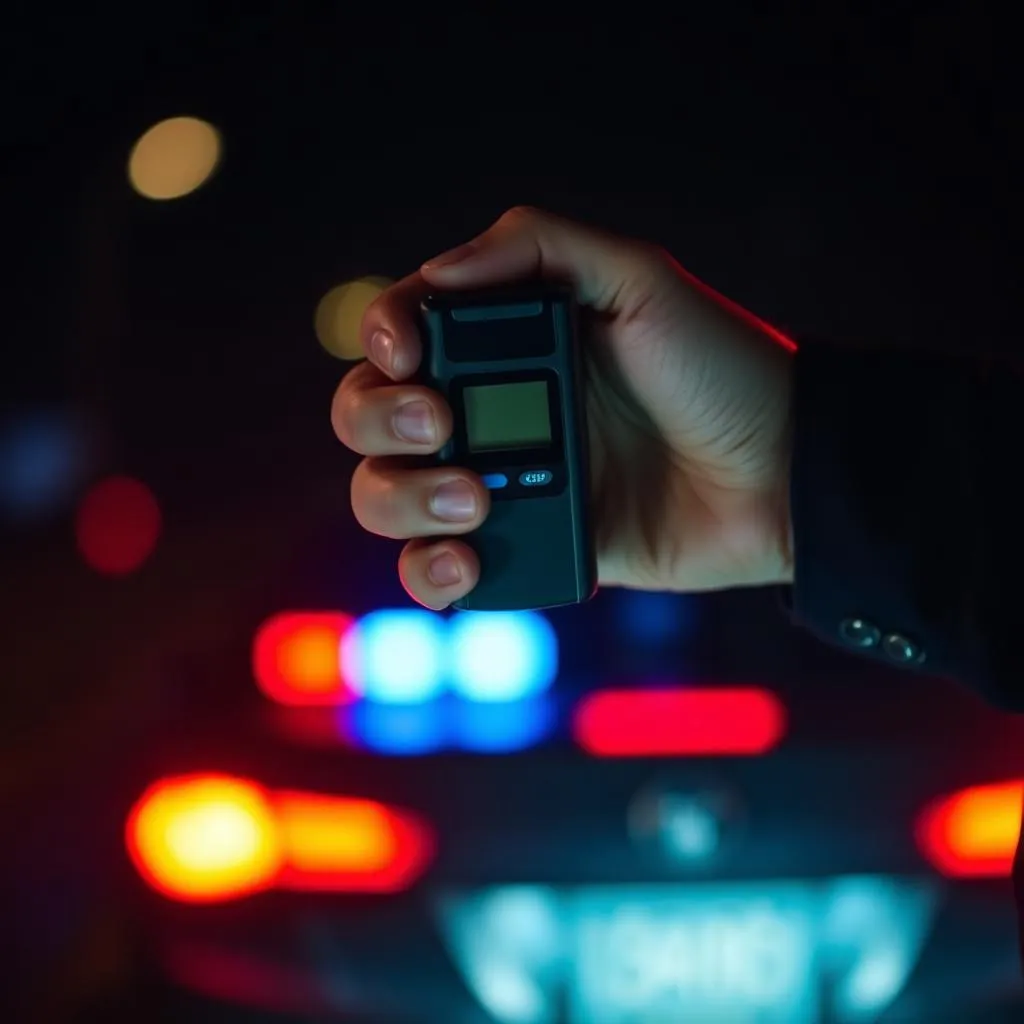
Sobriety checkpoints are legal in Missouri, and they are not going away. Every holiday weekend — Memorial Day, the Fourth of July, Labor Day, New Year's Eve — the Missouri State Highway Patrol and local police departments set them up on high-traffic corridors across St. Louis, Kansas City, Columbia, Springfield, and dozens of smaller jurisdictions. If you drive in this state long enough, you will eventually roll through one.
What most Missouri drivers don't understand is how much of what happens at a DWI checkpoint is negotiable, how many of their rights they unknowingly waive, and how a few small decisions in the first sixty seconds can be the difference between driving home and spending the night in jail.
This is a plain-language guide to Missouri DWI checkpoint law in 2026, written by attorneys who defend these cases every week.
Are DWI Checkpoints Even Legal in Missouri?
Yes. The U.S. Supreme Court upheld sobriety checkpoints in Michigan Department of State Police v. Sitz (1990), and Missouri courts have consistently followed that ruling. The Missouri State Highway Patrol operates checkpoints under strict internal guidelines designed to survive constitutional challenge.
However — and this is where defense attorneys earn their fees — checkpoints are only legal when they follow specific procedural rules. When officers cut corners, the entire stop, and every piece of evidence that flowed from it, can be thrown out.
What Officers Must Do for a Checkpoint to Be Constitutional
A legitimate Missouri DWI checkpoint must meet several requirements:
- Advance public notice. The agency must publicize the checkpoint location and time beforehand, typically through press releases or social media.
- A neutral stopping formula. Officers cannot pick and choose which cars to stop. They must use a predetermined pattern — every car, every third car, every fifth car — set in writing before the checkpoint begins.
- Supervisory approval. The decision to hold the checkpoint, where to place it, and how to run it must come from command-level officers, not the patrol officers working the scene.
- Minimal intrusion. The initial stop should be brief. Officers can ask for your license and look for obvious signs of impairment, but they cannot detain you longer without articulable reasonable suspicion.
- Safety planning. Adequate lighting, signage, and a safe pull-off area are required.
If any of these elements are missing or sloppy, your attorney has a strong argument to suppress everything the officer observed after the stop.
What You Are Required to Do
When you pull up to a Missouri DWI checkpoint, you are legally required to:
- Stop when directed.
- Provide your driver's license, proof of insurance, and vehicle registration.
- Comply with basic lawful commands, such as turning off your engine or stepping out of the vehicle if asked.
That is the complete list.
What You Are NOT Required to Do
This is where most people unknowingly hand the officer the conviction:
- You are not required to answer questions about where you've been, where you're going, or whether you've been drinking. The Fifth Amendment applies at a DWI checkpoint just like anywhere else. You can politely say, "Officer, I'd prefer not to answer questions."
- You are not required to perform field sobriety tests. In Missouri, the walk-and-turn, one-leg stand, and horizontal gaze nystagmus tests are voluntary. Refusing them carries no automatic license penalty. They exist almost entirely to give the officer evidence to use against you in court.
- You are not required to take a handheld preliminary breath test (PBT) at the roadside. The results aren't even admissible in court for most purposes — the device is a screening tool the officer uses to justify an arrest.
The Implied Consent Trap
Here is where Missouri law gets serious. Once you are lawfully arrested for DWI, Missouri's implied consent law (RSMo 577.020) requires you to submit to a chemical test — usually a breath test at the station, sometimes blood or urine. Refusing this post-arrest chemical test is a separate violation that triggers an automatic one-year license revocation, regardless of whether you are ever convicted of DWI.
Do not confuse the roadside PBT (voluntary, generally refuse) with the post-arrest evidentiary test (refusal costs you your license for a year). They are different tests with different consequences, and officers are not always clear about which is which.
The 15-Day Clock Most People Miss
If you are arrested for DWI in Missouri, the officer will hand you a piece of paper that serves as a temporary driving permit and a notice of pending license suspension. Buried in that paperwork is the single most important deadline in your case.
You have 15 days from the date of arrest to request an administrative hearing with the Missouri Department of Revenue. Miss that deadline and your license is automatically suspended, even if you ultimately beat the criminal charge.
We see this constantly. Clients call us three weeks after an arrest, focused on the criminal case, only to learn that their license was already gone by the time they walked in the door. Don't let that happen.
How a Missouri DWI Conviction Actually Affects Your Life
First-offense DWI in Missouri is a Class B misdemeanor carrying up to six months in jail, fines up to $1,000, and a 90-day license suspension. Those are the headline numbers. The real cost is everything else:
- SR-22 insurance for at least two years, often tripling your premiums
- An ignition interlock device required to reinstate driving privileges
- A permanent criminal record that shows up on background checks for employment, housing, and professional licensing
- Significant impact on CDL holders, healthcare workers, teachers, and anyone with a security clearance
Second and third offenses escalate quickly into felony territory with mandatory jail time.
What to Actually Do If You Are Stopped
Keep your hands visible. Be polite. Provide your documents. Decline to answer questions about drinking. Decline field sobriety tests and the roadside PBT. If you are arrested, comply with the post-arrest chemical test to protect your license, then say nothing else until your attorney is present.
Then call us — fast. The 15-day window starts the moment you are handed that paper.
We Defend Missouri DWI Cases Every Week
At Rosenblum Robbins, DWI defense is core practice, not a side line. We know the checkpoint protocols the State Highway Patrol uses. We know which judges and prosecutors take which positions. We know how breath machines fail and how field sobriety tests are misread. And we know how to protect both your criminal record and your driver's license — which are two separate fights that have to be handled in parallel.
If you were arrested at a Missouri DWI checkpoint, or anywhere else, the consultation is free and the clock is already running. Call us today.
Need help with a similar case?
A free consultation takes 15 minutes and could save you thousands.
Start a free consultation